Emoji Color: Vibrant Typography for Modern Design
Imagine infusing your next design with a burst of instant personality and joy—this is the power of a well-chosen creative asset. In the dynamic world of graphic design, where visual communication must be both immediate and engaging, the right typography can transform a project from mundane to memorable. Enter Emoji Color, a delightful dingbats font that offers a fresh solution for designers seeking to inject playful energy and expressive flair into their work.
Understanding the Appeal of Emoji Color
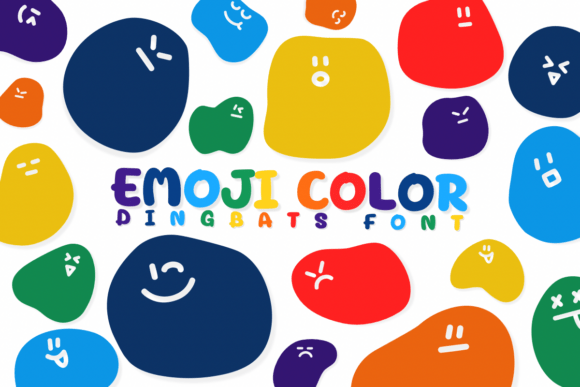
At its core, Emoji Color is a typeface composed entirely of quirky, expressive emoji faces rendered in playful, blob-like shapes. Each glyph is a standalone illustration bursting with personality, characterized by a vibrant color palette and a wide range of moods—from joyful and surprised to thoughtful and mischievous. This font transcends traditional typography by functioning as a versatile set of visual design elements, perfect for projects where standard text falls short. Its strength lies in its ability to communicate emotion and tone instantly, making it a valuable asset in today's fast-paced digital landscape.
Practical Applications Across Creative Projects
The utility of such a resource extends far beyond simple decoration. Integrating Emoji Color into your design workflow can elevate numerous applications, enhancing both aesthetics and user engagement.
- Branding and Logo Design: Use individual characters as mascots or submarks to add a friendly, approachable layer to a brand identity, particularly for brands targeting younger audiences or those in the lifestyle, food, or entertainment sectors.
- Social Media and Digital Marketing: Create standout social media graphics, animated stickers, or reaction buttons. The font's inherent expressiveness can significantly boost engagement and shareability in crowded feeds.
- UI/UX and Web Design: Implement these icons in user interfaces for notifications, status indicators, or onboarding screens to create a more welcoming and intuitive user experience. They can add a layer of delight without compromising functionality.
- Packaging and Editorial Design: Apply them to product labels, children's book illustrations, or magazine layouts to inject whimsy and break up text-heavy pages, improving the visual hierarchy and reader flow.
- Presentations and Merchandise: Transform dry slides into engaging narratives or design unique apparel, stickers, and digital products that resonate emotionally with consumers.
Integrating Expressive Assets Thoughtfully
While a font like Emoji Color is powerful, its effectiveness hinges on thoughtful integration within your broader graphic design system. Consider these guidelines to ensure a polished, professional result:
- Maintain Consistency: Align the use of these expressive elements with your overall color palette and brand voice. They should complement, not clash with, your existing design language.
- Prioritize Context: Evaluate audience expectations and design goals. A playful emoji face may be perfect for a startup's app icon but less suitable for a formal corporate report.
- Ensure Scalability: Test the font at various sizes to ensure clarity. As vector-based creative assets, they should scale well, but always verify legibility in their intended application.
- Balance with Other Elements: Use these characters to enhance, not overwhelm. Pair them with clean, readable sans-serif fonts for body text to maintain a strong visual hierarchy and ensure your message remains clear.
In the realm of modern aesthetics, the line between functional text and expressive imagery continues to blur. Assets like Emoji Color provide a direct bridge, allowing designers to harness universal emotional cues within a typographic framework. By selecting and applying such tools with intention, you can strengthen brand communication, foster deeper user connections, and bring a unique vibrancy to any creative project. Ultimately, the most impactful designs are those that communicate effectively on every level, and incorporating dynamic, high-quality typography is a decisive step toward achieving that goal.